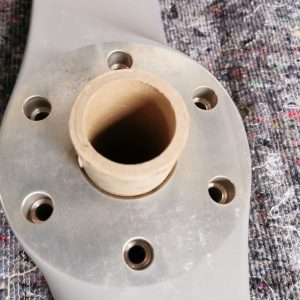
The Sensenich Propeller – P/N 74DM6-0-60
A Sensenich Propeller P/N 74DM6-0-60 may also be advertised as a Sensenich 74DM6 Propeller or 74DM6-0-60 Aircraft Propeller when every model character, suffix, serial marking, and alteration detail is stated accurately.
The Sensenich Fixed-Pitch Propeller, Sensenich Aluminum Propeller, Fixed-Pitch Aluminum Propeller, and Aluminum Aircraft Propeller keywords describe important design and material characteristics.
Correct dimensional and installation research supports safer and more efficient propeller selection.
The Certified Aircraft Propeller description should distinguish the approved propeller design from the current serviceability and installation eligibility of the individual unit.
Identifying the Sensenich Propeller Correctly
Complete identification reduces unsuitable purchases and gives maintenance professionals the information required for further review.
The buyer should determine whether the propeller remains in its original manufactured configuration or has undergone any pitch adjustment, diameter reduction, refinishing, inspection, trial fitting, repair, or alteration.
New and Never Installed Condition
An unused propeller may still develop coating damage, corrosion, moisture exposure, scratches, dents, contamination, or packaging-related abrasion.
The propeller should be inspected even when it remains inside original packaging because temperature changes, condensation, impact, chemical exposure, and shifting during transport can affect condition.
Evaluating General Aviation Propeller Requirements
A propeller suitable for one aircraft equipped with a Lycoming O-320 may not be appropriate for another aircraft using a different engine variant or airframe configuration.
The pitch configuration affects engine RPM, acceleration, climb characteristics, cruise behavior, and overall loading.
Benefits of Metal Propeller Blades
Aluminum construction offers a durable and proven solution for many general aviation aircraft when the blades, hub, mounting surfaces, leading edges, tips, and protective finish remain within acceptable condition.
Both blade faces, backs, roots, tips, leading edges, trailing edges, and hub transitions should be examined under suitable lighting.
74-Inch Aircraft Propeller Dimensions
Propeller diameter affects ground clearance, tip speed, engine loading, airframe clearance, and aerodynamic performance.
A difference between documented and measured dimensions should be investigated before installation.
Verifying the 74DM6-0-60 Pitch
Pitch influences theoretical forward movement, engine loading, achievable RPM, climb behavior, and cruise characteristics.
Both blades should maintain suitable pitch consistency, contour, and dimensional symmetry.
Avoiding Universal O-320 Compatibility Claims
The buyer should review current approved installation information before purchasing website or mounting the propeller.
The engine and propeller combination must remain within applicable RPM and power limitations.
Maintaining Blade Symmetry and Balance
Shipping damage or improper storage affecting one blade can influence the balance and suitability of the complete propeller.
Unexplained grinding, drilling, filing, material removal, or attached weights should receive professional review.
Bolt Pattern and Engine Flange Compatibility
A genuinely never-installed propeller should not show unexplained fretting, bolt loading, or flange-contact patterns.
The propeller should never be drilled, forced, or modified to fit an incompatible engine flange.
Evaluating Scratches, Dents, and Finish Damage
Blade faces and backs should be examined for pressure marks, stains, chemical exposure, paint defects, surface distortion, and trapped contamination.
Protective wrapping can sometimes conceal moisture staining or abrasion caused by movement inside the packaging.
Maintaining the Factory Finish
Discoloration, white residue, paint bubbling, coating separation, staining, or pitting should be evaluated instead of dismissed automatically as cosmetic.
Responsible storage protects the Fixed-Pitch Aluminum Propeller.
Supporting Installation Eligibility
The Certified Aircraft Propeller description generally refers to a propeller design manufactured under applicable approved production and certification standards.
Organized records strengthen the commercial value of the Certified Aircraft Propeller.
Propeller Traceability and Documentation
The manufacturer data plate should remain legible, securely attached, and consistent with the physical propeller, invoice, packaging, and supplied documents.
Available records may include factory paperwork, conformity documents, release certificates, storage records, purchase invoices, inspection reports, and aircraft-project information.
Evaluating a New Never-Installed Propeller
The seller should provide photographs of both sides of each blade, leading edges, trailing edges, tips, hub, mounting holes, data plate, packaging, and any damaged areas.
- Request clear photographs of the data plate, blade faces, blade backs, leading edges, trailing edges, tips, hub, mounting face, bolt holes, packaging, and storage supports.
- Review the history for trial fitment, dropped handling, transportation impact, moisture exposure, chemical contamination, improper storage, or unauthorized repair.
- Require packaging that protects the blades, tips, edges, hub, data plate, mounting face, bolt holes, factory finish, records, and included hardware from impact, abrasion, moisture, and movement.
Aircraft Propeller Crating Requirements
Professional packaging helps preserve the never-installed condition.
Pre-shipment photographs can document the blades, hub, packaging, identification, and included parts before collection.
Maintaining Packaging and Identification
Responsible storage preserves the future usefulness of the Aluminum Aircraft Propeller.
Organized storage supports the commercial value of the General Aviation Propeller.
Completing the Propeller and Spinner Assembly
Professional installation protects the propeller, engine, and airframe.
Fasteners should be tightened and secured according to applicable procedures, torque values, and tightening sequences.
After installation, technicians should verify security, propeller clearance, blade tracking, spinner alignment, hardware condition, and surrounding aircraft components before starting the engine.
Protecting Long-Term Propeller Condition
Consistent maintenance protects the Sensenich Fixed-Pitch Propeller.
Preventive care supports dependable General Aviation Propeller service.
Buying P/N 74DM6-0-60
The commercial value of a new Sensenich propeller depends on exact identification, serial number, manufacturing date, storage history, dimensional conformity, factory finish, inspection status, traceability, and included accessories.
The lowest advertised price may not represent the lowest installed cost when hardware, records, or compatibility information are incomplete.
Selecting a General Aviation Replacement Propeller
New, Never Installed can provide valuable replacement, restoration, new-construction, engine-installation, inventory, or resale potential when its identity, dimensions, storage history, condition, and applicability are verified.
Careful technical and commercial review can reduce compatibility problems, missing-hardware expenses, storage-related concerns, installation delays, inspection costs, and documentation issues.
Whether the product is described as a 74-Inch Aircraft Propeller, 60-Inch Pitch Propeller, Lycoming O-320 Propeller, or General Aviation Propeller, aircraft-specific applicability remains essential.
New, Never Installed can deliver a professional combination of fixed-pitch simplicity, aluminum construction, replacement value, and general aviation application potential.